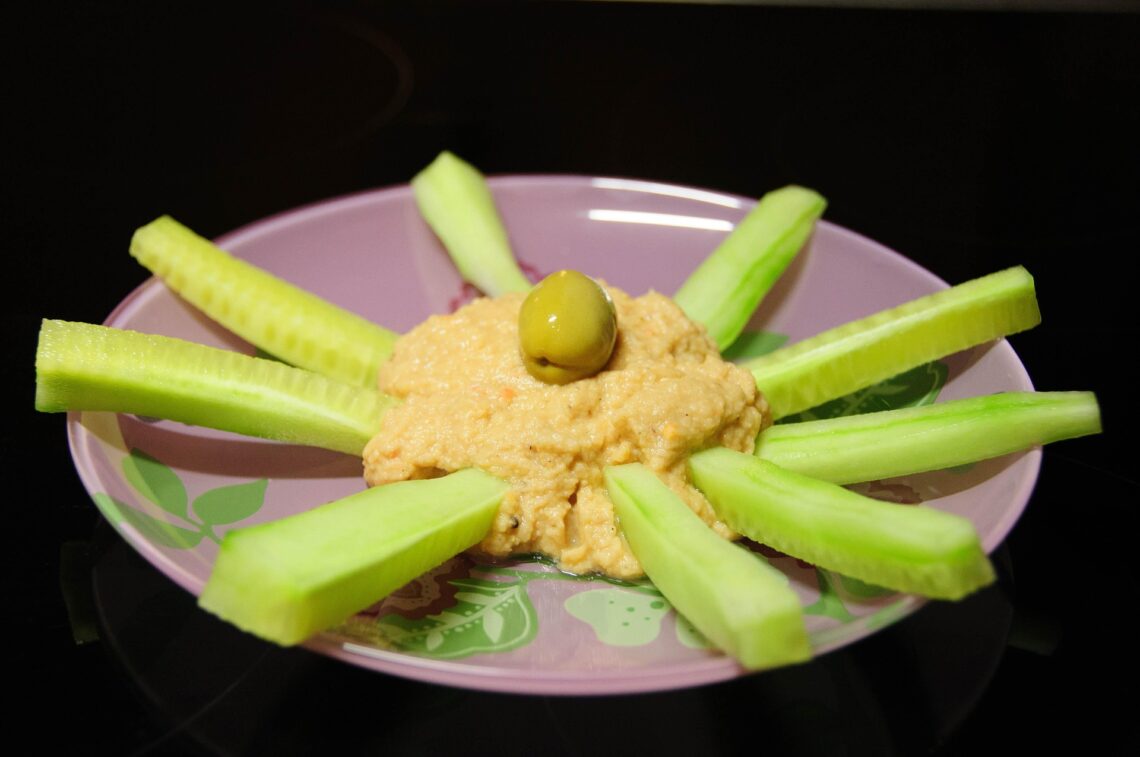
What do I eat in July?
What do I eat in July? is a complete article on easy, quick, and healthy meals. In this article, I will show you what I eat in July, what foods I choose most often, how I organize my meals, and what little tricks help me save time without compromising when it comes to health.
Table of Contents
ToggleWhy is it important to choose seasonal foods in July?
July is one of the most generous times of the year when it comes to fresh fruits and vegetables. Markets are full of color, flavors are authentic, and meals can become lighter, more nutritious, and faster to prepare. If you’re a mom and you’re over 35, time is probably one of your most valuable resources. Between work, family, children and daily responsibilities, the last thing you want is to spend hours in the kitchen.
Fortunately, healthy eating in July does not mean complicated recipes or restrictive diets. On the contrary, the season offers you all the necessary ingredients for tasty, quick, and balanced meals.
Why choose seasonal foods in July
You may have noticed that tomatoes bought in winter do not taste the same as those in the middle of summer. This is not a coincidence. Seasonal foods are harvested at maturity, have a higher content of vitamins and minerals, and, most of the time, are more affordable in price.
For the body, summer means high temperatures, more abundant sweating, and an increased need for hydration. For this reason, the July menu should contain many foods rich in water, fiber, and antioxidants.
Benefits of seasonal foods
- they have a more intense taste;
- contain more nutrients;
- they are cheaper;
- support local producers;
- Reduce the consumption of ultra-processed foods.
In addition, when the base of the menu consists of fresh products, it is much easier to prepare quick meals without feeling like you are following a diet.
What vegetables do I eat in July?
One of the biggest advantages of July is the diversity of vegetables available. I try to include at least two or three types of vegetables at every main meal.
Tomatoes
Tomatoes are a staple in my kitchen in the summer. They are rich in lycopene, an antioxidant known for its role in protecting cells against oxidative stress.
I use them in:
- simple salads with cheese;
- bruschetta;
- quick pasta sauces;
- omelet;
- sandwiches.
A drizzle of olive oil and a few basil leaves turn a simple dish into a delicious meal.
Cucumbers
They contain over 95% water and are perfect for very hot days.
I add them in:
- salads;
- water infused with lemon and mint;
- yogurt with garlic;
- wraps.
Zucchini
Zucchini is incredibly versatile.
I cook for her.
- in the oven;
- on the grill;
- in cream soups;
- in baked meatballs;
- in pasta with parmesan.
They are light, filling, and very suitable for summer dinners.
Eggplant
Eggplants appear on my menu almost weekly.
I prefer them:
- ripe;
- in salads;
- grilled;
- Stuffed with vegetables and lean meat.
Peppers
Red, yellow, or green, peppers are rich in vitamin C and give color to any dish.
I eat them raw as a snack or use them in salads and quick stews.
Green beans
It is one of the most underrated vegetables of the summer.
They combine with:
- chicken breast;
- garlic;
- boiled eggs;
- new potatoes;
- ton.
The result is a complete meal, rich in fiber and protein.
What fruits to choose in July
If someone asks me what I eat in July, the answer is simple: I take full advantage of seasonal fruits. They are tasty, refreshing, and ideal as a snack between meals or as a natural dessert.
Watermelon
Watermelon is the star of the summer. It has a high water content and is great for hydration.
I eat it plain, well chilled, or combine it with feta cheese and mint for a surprisingly tasty salad.
Peaches and apricots
These fruits are rich in fiber and beta-carotene. They are perfect for breakfast, along with Greek yogurt and some nuts.
.
Blueberries and raspberries
These small fruits are true “superfoods.” I add them to smoothies, over porridge, or to chia seed puddings.
Early plums
They are a great choice for digestion and can successfully replace sugar-rich desserts.
Important Note: Fruits are healthy, but it is good to eat them in balanced portions and associate them with a source of protein or healthy fats (yogurt, nuts, seeds), for a longer feeling of satiety and a more balanced glycemic response.
What a full day of my menu looks like in July
If you’ve been following me for a while, you already know that I don’t believe in restrictive diets. I believe in balance, in foods as close to their natural form as possible, and in meals that give you energy, not the feeling that you need another coffee.
This is an example of a food day that I frequently choose in July. It is not a “perfect” menu, but a realistic one, easy to adapt and suitable for a busy mother.
Breakfast
I like to start the day with protein and fiber because it helps me avoid feeling hungry after just an hour.
One of my favorite breakfasts is:
- Greek yogurt
- blueberries or raspberries
- a tablespoon of chia seeds
- a few nuts
- a little cinnamon
If I know that a very busy day is coming, I also add a few tablespoons of oatmeal.
Quick Alternative:
- two boiled eggs
- tomatoes
- cucumbers
- a slice of wholemeal bread.
Everything is ready in less than 10 minutes.
Morning snack
Instead of biscuits or pastries, I choose seasonal fruits.
For example:
- a peach;
- two apricots;
- a handful of blueberries;
- an apple, if I still have it from the previous season.
If I know that lunch will be late, I also add some raw almonds.
Lunch
I like to build the plate according to a simple rule:
- half vegetables;
- a protein sfert;
- a quarter complex carbohydrates.
An example:
- grilled chicken breast;
- large salad with tomatoes, cucumbers, and peppers;
- New baked potatoes with aromatic herbs.
Or:
- baked salmon;
- sautéed green beans;
- brown rice.
These combinations give me energy for the rest of the day without the feeling of heaviness.
Afternoon snack
A craving for sweets often appears.
Instead of choosing something processed, I prefer the following:
- yogurt with fruits;
- a few squares of dark chocolate;
- a smoothie with fruit and spinach;
- Hummus with vegetable sticks.
Dinner
In summer, I avoid very heavy meals.
I prefer:
- salad with tuna;
- Greek lettuce;
- omelet with vegetables;
- baked zucchini with cottage cheese;
- turkey breast and grilled vegetables.
The purpose of the dinner is to feel full but light before bed.
10 Quick Combinations for Busy Moms
I know that sometimes you only have 15 minutes at your disposal. Or maybe even less.
Here are some ideas that save me every time.
1. Greek salad + whole wheat bread
It is prepared in less than 10 minutes and is very filling.
2. Whole wheat wrap with chicken and vegetables
You can use leftover chicken from dinner and have lunch ready almost instantly.
3. Zucchini and tomato omelet
Perfect for both breakfast and dinner.
4. Tuna salad
Canned tuna in its own juice.
Tomatoes.
Cucumbers.
Corn.
Red onion.
Lemon.
That’s it.
5. Whole wheat pasta with tomatoes and basil
A simple recipe that proves that you don’t need many ingredients for a tasty meal.
6. Greek yogurt with fruits and nuts
Ideal when you don’t even have time to cook.
7. Bruschetta with avocado and tomatoes
Rich in healthy fats and highly appreciated even by children.
8. Quinoa with vegetables and feta cheese
You can prepare a larger amount and consume it for two days.
9. Hummus with raw vegetables
Perfect for snacking.
10. Green Smoothie
I prefer the combination:
- spinach;
- banana;
- blueberries;
- vegetable milk;
- flaxseed.
It’s ready in two minutes.
Foods that I try to eat less often in the summer
There are no completely forbidden foods.
But there are some that I notice my body tolerates more slowly on very hot days.
Fried foods
They give me a feeling of heaviness, and digestion is slower.
I prefer oven, grilled, or air fryer..
Sugary drinks
Instead of moisturizing, it often accentuates my feeling of thirst.
I prefer:
- water;
- mineral water;
- sugar-free lemonade;
- Cold tea brewed at home.
Very heavy sweets
Cakes with a lot of cream are delicious, but in summer they more often choose fruit desserts.
For example:
- yogurt with peaches;
- homemade ice cream from frozen bananas;
- chia pudding.
Ultra-processed products
Sausages, chips, and fast food rarely appear on my menu.
Not because they are “forbidden”, but because I feel much better when the basis of the diet is made up of simple foods.
How to organize my shopping in July
One of the most important things I’ve learned is that healthy eating starts before you enter the kitchen.
Start when you make your shopping list.
Every week I try to buy:
- seasonal vegetables;
- fruits;
- eggs;
- Greek yogurt;
- lean meat;
- fish;
- legumes;
- nuts and seeds.
After I get home:
✔ wash vegetables;
✔ cut carrots and cucumbers for snacks;
✔ prepare a large salad;
✔ boil a few eggs;
✔ Cook a protein source for the next two days.
These habits save me a lot of time during the week and help me make better eating decisions even on busy days.
The most common mistakes we make in summer
Even though we have a lot of fresh and healthy food available in July, it is easy to fall into a few traps that can affect our energy levels and well-being.
Here are the mistakes I notice most often and try to avoid.
1. We drink too little water
We often confuse thirst with hunger. On hot days, the body loses more fluids through sweating, and if we don’t hydrate enough, we can experience fatigue, headaches, and even increased cravings for sweets.
A simple trick that works for me is to always have a bottle of water on hand and add slices of lemon, cucumber, or mint leaves for a more pleasant taste.
2. We eat too much fruit and too little protein
Fruits are excellent and part of my daily diet. However, if meals are made up only of fruit, the feeling of hunger returns very quickly.
I try to combine them with the following:
- Greek yogurt;
- cottage cheese;
- nuts;
- almonds;
- seeds.
Thus, meals are more balanced and filling.
3. We skip meals
When the schedule is busy, the temptation is to postpone lunch or replace a full meal with a coffee.
The problem arises later, when accumulated hunger causes us to choose less nutritious foods or overeat.
That’s why I like to always have simple and healthy snacks on hand..
4. We overdo it with ice cream and soft drinks
Ice cream is part of the joys of summer and I don’t think it should be completely eliminated. The difference is between an occasional serving and a daily habit.
When I want something refreshing, I often choose homemade versions of yogurt and frozen fruit.
5. We forget about proteins
Salads are great in summer, but a salad with only vegetables does not always provide enough satiety.
I try to add a source of protein to each meal, such as:
- eggs;
- chicken;
- fish;
- ton;
- fresh cheeses;
- chickpeas;
- lentils.
This combination helps me have energy throughout the day.
Frequently asked questions about nutrition in July
What fruits are in season in July?
Among the most popular are watermelon, melon, peaches, apricots, blueberries, raspberries, early plums, and late cherries.
What vegetables are recommended during this period?
Tomatoes, cucumbers, zucchini, eggplant, peppers, green beans, lettuce, and green onions are just a few of the great options you can find in the markets.
Can I lose weight if I eat a lot of fruit?
Fruits are part of a balanced diet, but the key is moderation. Their association with protein and healthy fats contributes to a greater feeling of satiety and a complete nutritional intake.
What do I eat in July if I don't have time to cook?
You can prepare simple and quick meals, such as:
- salad with tuna;
- omelet with vegetables;
- Greek yogurt with fruit;
- chicken and vegetable wrap;
- hummus with raw vegetables;
- Greek salad.
These options are time-consuming and provide a good balance of protein, fiber, and healthy fats.
Is it good to eat watermelon in the evening?
Yes, if it is consumed in the right amount and fits into your daily diet. There is no evidence that watermelon eaten in the evening would have negative effects for most healthy people.
How do I keep vegetables and fruits fresh longer?
Wash only the amount you are going to consume in the next few days and store the rest according to the recommendations for each food. Some fruits and vegetables are best kept at room temperature, and others in the refrigerator. Check the products periodically and eat the ripeest ones first to reduce food waste.
Conclusion
If you’ve made it this far, you’ve probably noticed that the answer to the question “What do I eat in July?” is not about a strict diet or rules that are impossible to follow.
It’s about simple choices, made every day.
It’s about taking advantage of the richness that nature offers us during this period and turning meals into an ally of health, not a source of stress.
As a mother, I know that not every day is perfect. There will be times when you will resort to quick solutions or order food. And that’s okay. Healthy eating does not mean perfection, but consistency. Every good choice counts, and small steps, taken constantly, bring the most beautiful results over time.
Take advantage of fragrant tomatoes, sweet melon, tender zucchini and all the goodies of summer. Fill your plate with color, enjoy every meal and give your body the fuel it needs to have energy and vitality.
Discover a healthy, hassle-free diet
If you want more inspiration for your daily meals, easy-to-follow meal plans, and resources created specifically for busy women who want to take care of their health, I invite you to discover the digital products available on Healthy Journey Forever.
You’ll find practical, easy-to-apply materials that help you save time, reduce stress in the kitchen, and build healthy habits for you and your family.
You don’t have to do everything perfectly. Start with one better meal today, and tomorrow it will be even easier.
Live healthier.


You May Also Like

3 Game-Changing Necessary Fats
April 2, 2023
5 Great Nutritional Qualities of Apples
June 20, 2023