Seasonal Foods in September: 15 Delicious Foods + 7-Day Meal Plan
September has a special talent: it catches us right between “let’s enjoy the last bit of summer” and “where did we put all the school stuff?”
School starts again, mornings get busier, the family schedule fills up, and sooner or later that familiar question comes up:
“What am I going to cook today?”
If you’re over 35, juggling kids, work, grocery shopping, appointments, and a to-do list that seems to grow by itself, the last thing you probably need is another obligation called “perfect meal planning.”
You need something simpler.
You need to know what to buy, what to cook, and how to use the same ingredient in several meals without starting from scratch every evening.
That’s where seasonal foods in September can help.
September is a wonderfully generous time of year in Romania. We can still find many of the vegetables we associate with summer—tomatoes, peppers, eggplant, and zucchini—while apples, pears, plums, grapes, pumpkin, beets, and other produce gradually lead us into fall cooking.
Exact availability varies depending on region, variety, weather conditions, and the agricultural year, so it is always worth checking where your produce comes from.
In this Healthy Journey Forever article, you’ll discover 15 seasonal foods for September, simple ways to use them, a practical 7-day fall meal plan, and a grocery-shopping system designed to help you save time in the kitchen and reduce food waste.
The goal is not to spend more time cooking.
The goal is to make fewer decisions in the kitchen.
Because sometimes cooking itself is not the most exhausting part.
It is having to decide, day after day, what to put on the table.
Seasonal Foods in September: 15 Delicious Foods + 7-Day Meal Plan
ToggleSeasonal Foods in September: Why Are They Worth Choosing?
When we hear the advice “eat seasonally,” it sounds good.
But what does it actually mean for a busy mom walking into the grocery store with the family shopping list on her phone and ten other things on her mind?
It means starting your meal planning with foods that are naturally available at that time of year and building a few simple combinations around them.
September has one major advantage:
variety.
During the same month, we may find apples, pears, plums, and grapes alongside tomatoes, peppers, eggplant, zucchini, pumpkin, beets, cauliflower, and cabbage.
This overlap between late-summer produce and early-fall foods makes it easier to bring variety into family meals.
The World Health Organization includes dietary diversity among the principles of a healthy diet. For people over the age of 10, the general recommendation is to consume at least 400 grams of fruits and vegetables per day.
That does not mean you need to weigh every tomato and apple.
For a busy family, the practical idea is much simpler:
regularly include fruits and vegetables in family meals and aim for variety throughout the week.
You do not need a “superfood” that supposedly fixes everything.
An apple does not need to save your family’s diet, and pumpkin does not need to become a miracle ingredient.
What matters is the overall eating pattern: variety, balance, and choices that are simple enough to repeat in real life.
September Is the Bridge Between Summer and Fall
One of the best things about September is that we do not have to choose between the two seasons just yet.
Today we can enjoy a tomato and pepper salad, and tomorrow we can make creamy pumpkin soup.
We can pack grapes as a snack and bake apples for a simple dessert.
We can roast eggplant and peppers in one cooking session and use them in several different meals.
That variety is exactly what makes seasonal foods in September so useful when building a flexible meal plan.
September does not require a kitchen revolution.
It simply requires a little strategy.
If you’re not quite ready to say goodbye to summer meals, you can also explore my 25 healthy August meal ideas for more simple ways to use late-summer produce.
What Should We Eat in September? 15 Seasonal Fruits and Vegetables
The list below does not mean you need to buy all 15 foods every week.
Quite the opposite.
For a busy family, it is more efficient to choose a few seasonal fruits and vegetables you already know your family will eat.
If nobody in your household likes beets, the fact that they appear on a seasonal-food list is not enough reason to buy them.
The best foods for your family are the ones that actually make it onto the plate—not the ones forgotten in the vegetable drawer.
Produce availability varies according to region, variety, and weather conditions, and harvest periods do not begin or end on exactly the same date every year.
Seasonal Fruits in September
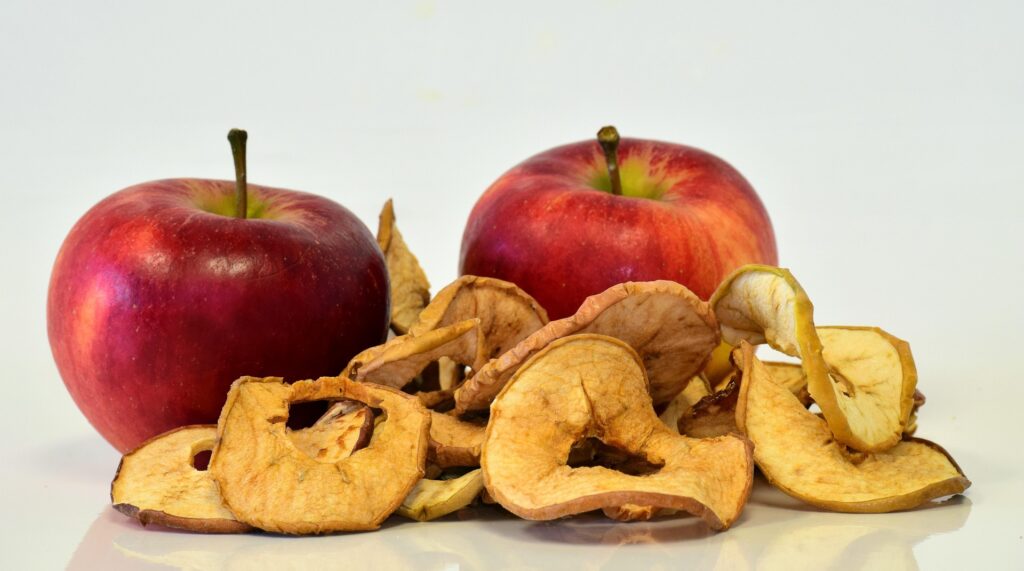
1. Apples
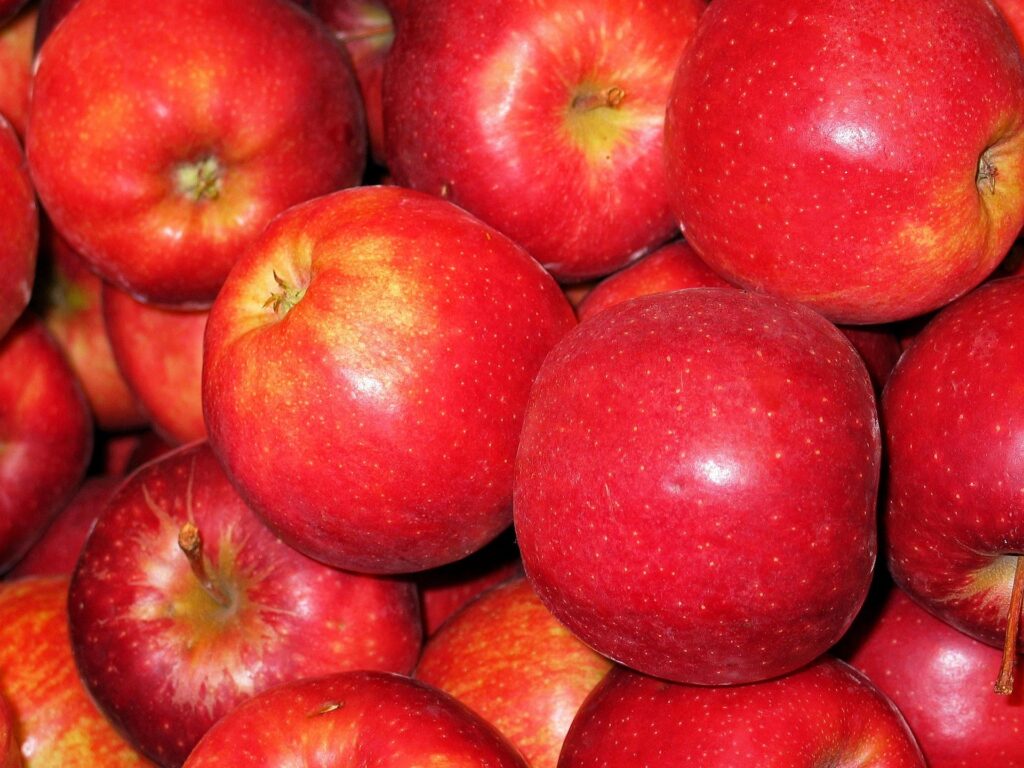
Apples are among the easiest fruits to include in a busy week.
You can take one to work, pack one for school, or turn it into a quick breakfast ingredient.
When buying apples, look for firm fruit without major bruising or soft spots. They do not have to look perfect to be good.
You can use them for:
- snacks;
- yogurt with fruit;
- oatmeal with apple and cinnamon;
- salads;
- baked apples.
If some apples begin to lose their crisp texture, they do not automatically need to be thrown away.
They may be perfect for baking.
That leads to a useful food-waste rule:
an ingredient that is no longer ideal for one use can still be perfect for another.
2. Pears
Pears can be a simple solution for both snacks and breakfast.
If you are shopping for the entire week, you can buy a mixture of ready-to-eat pears and slightly firmer ones that will ripen later.
Try:
pear + yogurt + oats for breakfast;
pear + nuts as a snack;
or sliced pear added to a salad.
A useful meal does not need 12 ingredients.
Sometimes simple combinations are exactly what works on a busy Tuesday morning.
3. Grapes
Grapes are among the most convenient seasonal fruits in September for a quick snack.
Choose bunches with firm grapes and avoid those with many damaged or spoiled pieces.
For young children, grapes need to be prepared appropriately for their age because whole grapes can pose a choking hazard.
For adults and children old enough to eat them safely, portioning grapes ahead of time can remove one more decision from a hectic morning.
4. Plums
Plums can be eaten on their own, added to breakfast, or turned into a simple dessert.
If they are very ripe and you know your family will not finish them in time, use them before they end up in the trash.
They can be gently cooked and served with oats, yogurt, or cinnamon.
This brings us to another useful rule:
do not only plan what you buy. Plan the order in which you will eat it.
Very ripe fruit gets eaten first.
Produce that lasts longer can wait until later in the week.
Seasonal Vegetables in September
5. Pumpkin
If one ingredient immediately signals the beginning of fall cooking, pumpkin is a strong contender.
Its biggest advantage for a busy family is versatility.
Instead of cooking a small amount for one recipe, you can roast a larger batch and use it in several different meals.
First meal: roasted pumpkin as a side dish.
Second meal: creamy pumpkin soup.
Third meal: a few pieces added to a salad or grain bowl.
Cook the ingredient once, then change the way you serve it.
6. Tomatoes
September still gives us an opportunity to enjoy tomatoes before fall cooking takes over.
You can serve them raw in salads, alongside eggs, in sandwiches, or turn them into a simple pasta sauce.
If you buy too many and they become very ripe, turning them into a sauce is often more useful than waiting until they can no longer be used.
7. Peppers
Peppers are excellent for the “cook once, use several times” system.
You can eat them raw or roast a larger batch.
Roasted peppers can later become part of a salad, sandwich, wrap, omelet, or side dish.
One ingredient, several meals.
8. Eggplant
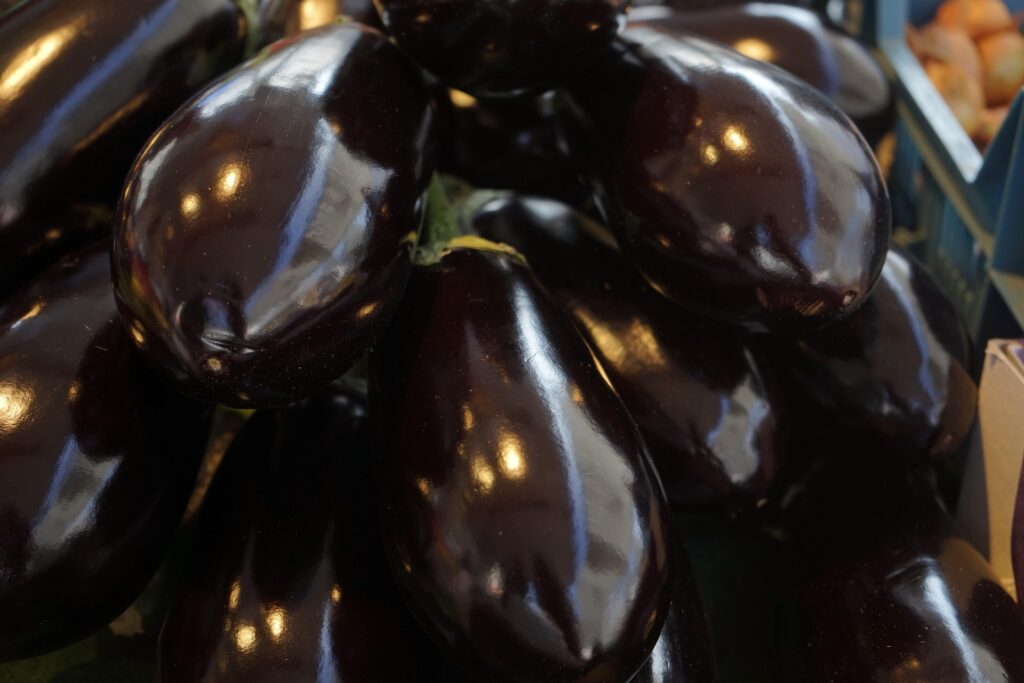
Eggplant is still a great choice for September meals.
You can roast it and use it in an eggplant spread or include it in simple baked dishes.
If you are already turning on the oven for eggplant, make use of the space.
Roast peppers or other vegetables at the same time.
You are not just saving ingredients.
You are also reducing active cooking time.
9. Zucchini
Zucchini is incredibly flexible.
You can use it in:
omelets;
pasta;
soups;
side dishes;
baked meals.
For a busy family, this is exactly the type of ingredient you want: one that is not tied to a single recipe.
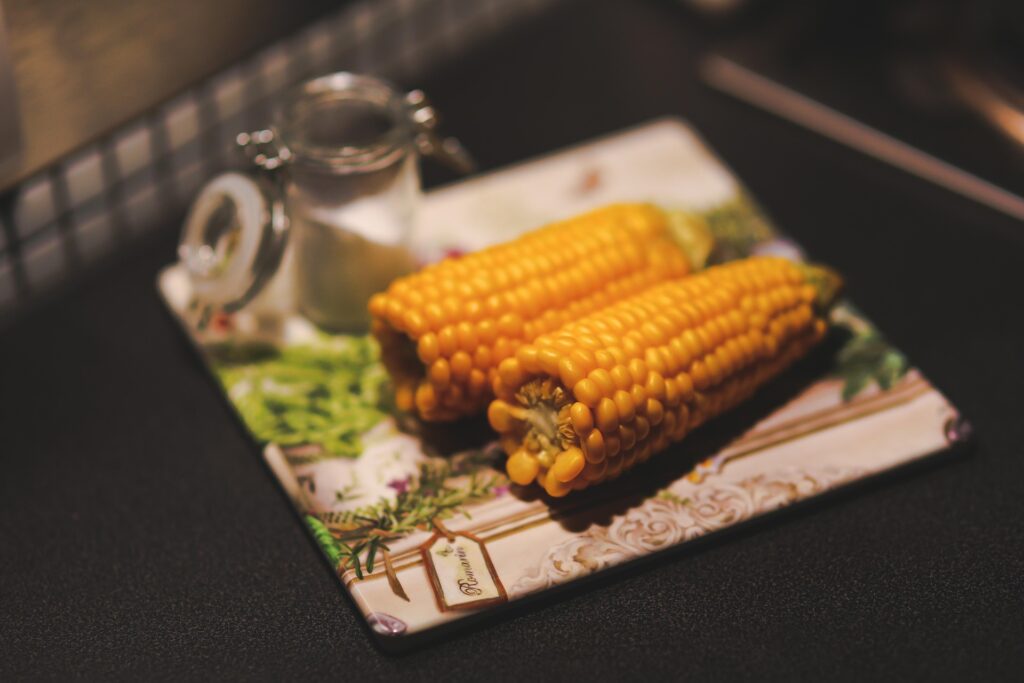
10. Sweet Corn
Sweet corn also marks the transition between summer and fall.
It can be boiled or roasted, served as a side dish, or added to salads and other quick combinations.
In September, it may already be approaching the end of its local growing season in many areas, so availability can vary.
11. Green Beans
Green beans can become a simple side dish or the base of an easy meal that does not require complicated preparation.
They pair well with other vegetables and the protein source your family prefers.
They are another good example of an ingredient you can buy with a clear purpose instead of purchasing it “just in case.”
12. Carrots
Carrots are one of those ingredients you can use almost without thinking.
They work in soups, roasted dishes, side dishes, salads, and many family meals.
If you are preparing a tray of vegetables for several days, carrots fit easily into the mix.
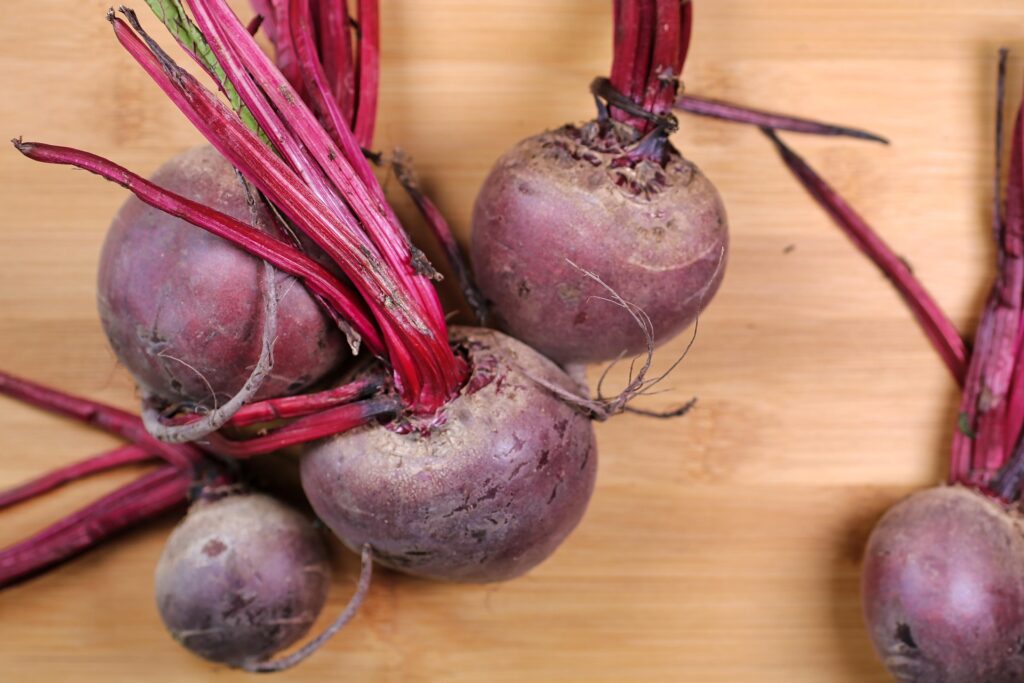
13. Beets
Beets work very well with a prep-ahead strategy.
You can roast several at once and later use them in salads or as a side dish.
Instead of turning on the oven for one beet, think in terms of several meals.
14. Cauliflower
Cauliflower can be roasted, blended into a creamy soup, or served as a side dish.
A tray of cauliflower and carrots requires relatively little hands-on preparation, while the oven does most of the work.
That is an important point when evaluating a “quick recipe.”
Total cooking time is not the only thing that matters.
What also matters is how long you personally need to stand next to the food.
15. Cabbage
Cabbage clearly begins to move us toward fall cooking.
It can become a salad, side dish, or the base of more substantial meals.
It is also a useful ingredient when we want our meals to change gradually with the season instead of suddenly abandoning everything we ate during summer.
The Secret for Busy Moms: Don’t Cook Seven Meals—Prepare a Few Ingredients
This is the difference between a nice collection of recipes and a system that can actually work for a family.
Do not try to prepare seven completely different dinners.
Prepare a few components.
For example:
Roasted pumpkin → side dish → creamy soup → lunch bowl.
Roasted peppers → side dish → wrap → omelet.
Roasted vegetables → dinner → lunch bowl → pasta.
Apples → snack → breakfast → simple dessert.
That is the rule:
cook once, use two or three times.
It does not mean eating the same meal for three days.
It means using the same base ingredient in different contexts.
60 Minutes That Can Make Your Week Easier
If you have around an hour available during the weekend, do not try to cook every meal for the entire week.
Prepare components instead:
- a tray of pumpkin and other vegetables;
- several roasted peppers;
- roasted eggplant;
- a grain such as rice, bulgur, or quinoa;
- several hard-boiled eggs;
- vegetables for the first few days, washed and organized;
- fruit arranged according to the order in which it should be eaten.
We do not want ten identical meal-prep containers.
We want a few culinary “LEGO pieces” that can be combined quickly.
7-Day Fall Meal Plan for Busy Moms
Now we turn our seasonal September foods into real meals.
This menu is intended as a flexible guide and should be adjusted according to your family’s preferences, allergies, individual needs, and household size.
Monday
Breakfast: yogurt with oats, apple, and cinnamon.
Snack: pear and nuts.
Lunch: bowl with roasted vegetables, rice/bulgur/quinoa, and a protein source that works for your family.
Dinner: zucchini and pepper omelet + tomato salad.
A simple lunch formula is:
vegetables + protein + grain/potato + something fresh.
You do not need a rigid recipe.
Tuesday
Breakfast: whole-grain bread with fresh cheese and tomatoes.
Snack: grapes.
Lunch: wrap made with leftover roasted vegetables, a protein source, and a simple sauce.
Dinner: creamy pumpkin soup + whole-grain bread.
Make extra soup on purpose.
Wednesday’s lunch is almost done.
Wednesday
Breakfast: oatmeal with pear and cinnamon.
Snack: plums.
Lunch: leftover creamy pumpkin soup.
Dinner: roasted cauliflower and carrots + your preferred protein source.
Wednesday is often the point when enthusiasm for a “perfectly organized week” begins to disappear.
We are not relying on enthusiasm.
We are relying on a system.
Thursday
Breakfast: yogurt with plums and oats.
Snack: apple.
Lunch: an anti-waste bowl made from grains, leftover vegetables, something fresh, and a protein source.
Dinner: quick pasta with tomatoes, zucchini, and peppers.
Open the refrigerator before cooking.
If you still have carrots, cauliflower, peppers, or other vegetables left, ask yourself what you can use before chopping anything new.
Friday
Breakfast: eggs, tomatoes, and whole-grain bread.
Snack: pear or grapes.
Lunch: leftover pasta from Thursday + salad.
Dinner: quick flatbread pizza topped with leftover vegetables.
Friday is not the time for culinary ambition.
It is the time when the refrigerator should start getting emptier.
Saturday
Breakfast: apple and cinnamon pancakes, adapted to your family’s favorite recipe.
Snack: whichever fruit needs to be eaten first.
Lunch: filling salad with roasted beets and a protein source.
Dinner: baked eggplant + tomato and pepper salad.
If you turn on the oven, ask:
What else can I prepare in the same session for tomorrow or Monday?
Sunday
Breakfast: yogurt, oats, and seasonal fruit.
Snack: baked apple with cinnamon.
Lunch: family meal with a protein source and two seasonal vegetables.
Dinner: omelet, salad, soup, or another flexible meal built from leftover ingredients.
On Sunday evening, we are not opening a new culinary chapter.
We are closing out the week’s refrigerator.
Need more ideas for busy mornings? Try these 10 healthy breakfast ideas for busy women for simple options you can rotate throughout the week.
The Rule That Makes This Meal Plan Realistic
Look at the menu again.
Pumpkin appears in more than one context.
Tomatoes are used in several meals.
Peppers are not purchased for a single recipe.
Fruit is eaten according to how quickly it needs to be used.
And one dinner can become the next day’s lunch.
That is the difference between a collection of recipes and a fall meal plan for a busy family.
You do not need 21 recipes for seven days.
You need a flexible system.
Grocery List for One Week in September
Make Your Next Grocery Trip Easier 🛒
Want the meal plan and grocery list in one printable guide?
Before writing your grocery list, do something that takes only a few minutes:
open your refrigerator.
Check the fridge, freezer, and pantry.
Your grocery list should begin with what you already have at home.
Fruit
Choose two to four options:
- apples;
- pears;
- plums;
- grapes.
Vegetables
Choose according to your meal plan and your family’s preferences:
- pumpkin;
- tomatoes;
- peppers;
- eggplant;
- zucchini;
- sweet corn;
- green beans;
- carrots;
- beets;
- cauliflower;
- cabbage.
You do not need to buy all of them.
Protein Sources
Choose the options that work for your family, for example:
- eggs;
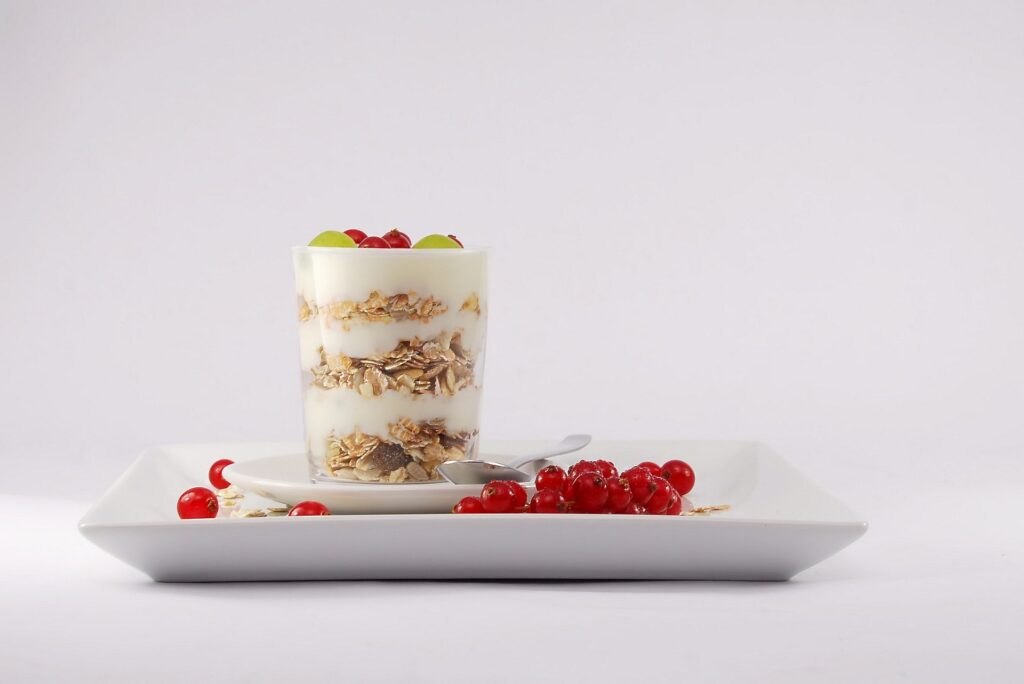
- yogurt;
- cheese;
- legumes;
- fish;
- meat;
- plant-based alternatives.
Bases for Quick Meals
You can choose from:
- oats;
- rice;
- pasta;
- bulgur;
- quinoa;
- whole-grain bread;
- wraps or flatbreads;
- potatoes.
Again, you do not need everything.
Two or three options may be enough for the week.
The 3–2–1 System for Extremely Busy Weeks
If a complete meal plan feels overwhelming, simplify it.
3 Vegetables
Choose three vegetables your family reliably eats.
For example:
zucchini + peppers + tomatoes.
You can use them in omelets, pasta, salads, wraps, and side dishes.
2 Fruits
For example:
apples + plums.
Or:
pears + grapes.
Do not buy six types of fruit simply because they all look good.
Buy what your family will actually eat.
1 Base Prepared Ahead of Time
Choose your “hero” for the week:
a tray of roasted vegetables;
roasted pumpkin;
a pot of soup;
cooked grains;
a simple tomato sauce.
The condition?
Use it in at least two meals.
Want the Printable Version? 🍎
Take the meal plan with you instead of coming back to the article every time you need it.
Get the FREE 7-Day September Fall Meal Plan + Grocery List, including the weekend prep plan and printable shopping checklist.
How to Reduce Food Waste Without Turning Your Kitchen Into a Project
Most of us do not buy food with the intention of throwing it away.
We buy it with the intention of cooking it.
The problem is that sometimes we shop for the ideal version of our week.
The ideal version cooks every evening.
The real version sometimes gets home late.
The ideal version prepares a different breakfast every day.
The real version repeats the breakfast that works.
And that is completely fine.
Check Your Refrigerator Before Shopping
Before buying two more zucchini, check whether you already have two at home.
Before adding apples to the list, look at your fruit bowl.
Your grocery list begins at home, not in the supermarket.
Buy an Ingredient When You Know How You Will Use It
Ask yourself:
“What am I going to use this for?”
If the answer is, “I don’t know, but it seems healthy,” there is a greater chance it will sit in the fridge.
If the answer is, “The zucchini goes into Monday’s omelet and Thursday’s pasta,” you already have a plan.
Create an “Eat Me First” Zone
Reserve a visible area of your refrigerator for food that needs to be eaten soon.
A very ripe pear?
Put it there.
Half a pepper?
There.
Leftover roasted vegetables?
There too.
Check that area before starting your next meal.
Keep One Flexible Dinner
Do not plan every dinner so rigidly that there is no room for leftovers.
Omelets, pasta, wraps, soups, and bowls are excellent ways to use remaining ingredients.
Food waste does not decrease because we become perfect planners.
It decreases when our plan leaves room for imperfection.
Make September Meal Planning Easier 🍎
You’ve got the ideas. Now make them easier to use all week.
Get the FREE 7-Day September Fall Meal Plan + Grocery List and keep everything in one simple, printable guide.
Inside, you’ll get:
✓ A 7-day fall meal plan
✓ A printable seasonal grocery list
✓ A 60-minute weekend prep plan
✓ The simple 3–2–1 planning system
✓ An “Eat Me First” checklist to help reduce food waste
You Don’t Need More Discipline. You Need Fewer Decisions.
“Starting Monday, I’m getting organized.”
“This weekend I’ll prepare everything.”
“This time I’m making the perfect meal plan.”
Then real life happens.
An urgent project comes up. Your child needs something for school. You get home late. You forgot to take something out of the freezer.
The problem is not always discipline.
Sometimes the system simply demands too many decisions.
If every dinner requires a different recipe and every recipe needs a different set of ingredients, planning becomes another project.
But when you choose a few seasonal foods in September and give each one two or three roles during the week, things become easier.
You are not necessarily doing more.
You are making what you already do work harder for you.
The same idea applies to healthy eating in general. If you’re tired of complicated food rules, read my 9 simple rules for eating without dieting and see how I approach balanced eating without an all-or-nothing mindset.
Healthy Journey Forever: Turn Information Into a Habit
You can read hundreds of ideas about nutrition and meal organization.
The difficult part often appears between:
“I know.”
and
“I do.”
Healthy Journey Forever aims to provide practical resources that help make that gap smaller.
Start with what is useful to you right now.
Download the meal plan if you need structure.
Subscribe if you would like to receive future guides and practical ideas.
Explore Healthy Journey Forever resources if you want to continue building habits that fit your lifestyle.
You do not have to change everything in one day.
Your next choice simply needs to become a little easier.
Frequently Asked Questions About Seasonal Foods in September
What Foods Are in Season in September?
In Romania, depending on the region, variety, and weather conditions, September can offer a generous combination of fruits and vegetables such as apples, pears, plums, grapes, tomatoes, peppers, eggplant, zucchini, pumpkin, sweet corn, green beans, carrots, beets, cauliflower, and cabbage.
Exact availability can vary from year to year and from one region to another.
What Fruits Are in Season in September?
Apples, pears, plums, and grapes are among the fruits commonly associated with September in Romania.
They are easy to include in snacks, breakfasts, and simple dishes, making them practical for busy families.
What Vegetables Can We Eat in September?
Tomatoes, peppers, eggplant, and zucchini may still be available during this period, while pumpkin, beets, cauliflower, carrots, and cabbage help us transition toward fall meals.
Exact seasonality depends on region, variety, and weather.
How Do I Build a Fall Meal Plan for One Week?
Instead of choosing seven completely different recipes, start with a few ingredients that can be used in two or three meals.
For example, roasted vegetables can become a side dish one evening, a wrap filling the next day, and the base of a lunch bowl later in the week.
This helps reduce both the number of ingredients you buy and the amount of preparation required.
How Can I Save Time When Preparing Meals?
Prepare components rather than complete meals.
A tray of roasted vegetables, cooked grains, several hard-boiled eggs, and fruit organized for the first few days may be enough to shorten the preparation time for several meals.
How Can I Reduce Food Waste?
Check what you already have before shopping, buy realistic quantities, eat very ripe produce first, and try to give each ingredient more than one use.
Keeping one flexible meal near the end of the week can help you use up remaining ingredients.
So, What Do We Actually Eat in September?
After 15 foods, seven days of meals, and plenty of combinations, the answer is simpler than it may seem.
We eat what we can buy, prepare, and use intelligently.
September gives us a generous combination of seasonal fruits and vegetables and allows us to move gradually from summer meals into fall cooking.
But the list is not the most important part.
The system is.
Buy fewer ingredients with more possible uses.
Cook once and make smart use of what you have prepared.
Keep foods that need to be eaten first where you can see them.
Plan one meal that can absorb leftover ingredients.
And leave enough flexibility for the meal plan to work for you instead of making you work for the meal plan.
For a busy mom over 35, that may be a much more realistic goal than perfection.
You do not need an Instagram-worthy refrigerator.
You do not need 21 different recipes every week.
And you do not need to spend your entire Sunday filling meal-prep containers.
You need a few seasonal foods in September, a flexible plan, and a few decisions made before hunger and exhaustion start making those decisions for you.
And when the inevitable question comes:
“What are we eating today?”
maybe the answer will no longer begin with:
“I don’t know…”
but with:
“We already have something prepared.”
How Do You Organize Your Meals in September?
What is the hardest part for you?
Deciding what to cook?
Doing the grocery shopping?
Finding time to cook?
Or finding something the whole family will actually eat?
Share your answer in the comments.
Your experience may give another busy mom exactly the idea she needed today.
Sources and Research
For general recommendations on dietary variety and fruit and vegetable consumption, this article draws on the World Health Organization’s healthy diet guidance.
For seasonality, local produce calendars and information on harvest and marketing periods in Romania were consulted.
Seasonality may vary depending on region, variety, weather conditions, and the agricultural year.
Note: This article is for informational and educational purposes only and is not a substitute for individualized advice from a physician or registered dietitian.

You May Also Like

Adopt 3 Radiant Vital Macronutrients
June 5, 2023
10 Foods High in Selenium for Immunity and Overall Health
May 31, 2025