
Is Real Inflammation Shocking?
Is real inflammation shocking? describes types, causes, and risk factors. Discover what inflammation is, its causes, and how it impacts your health. Learn natural ways to reduce it through diet and lifestyle changes
Types of inflammation

Inflammation refers to the body’s fighting infections, injuries, and toxins.
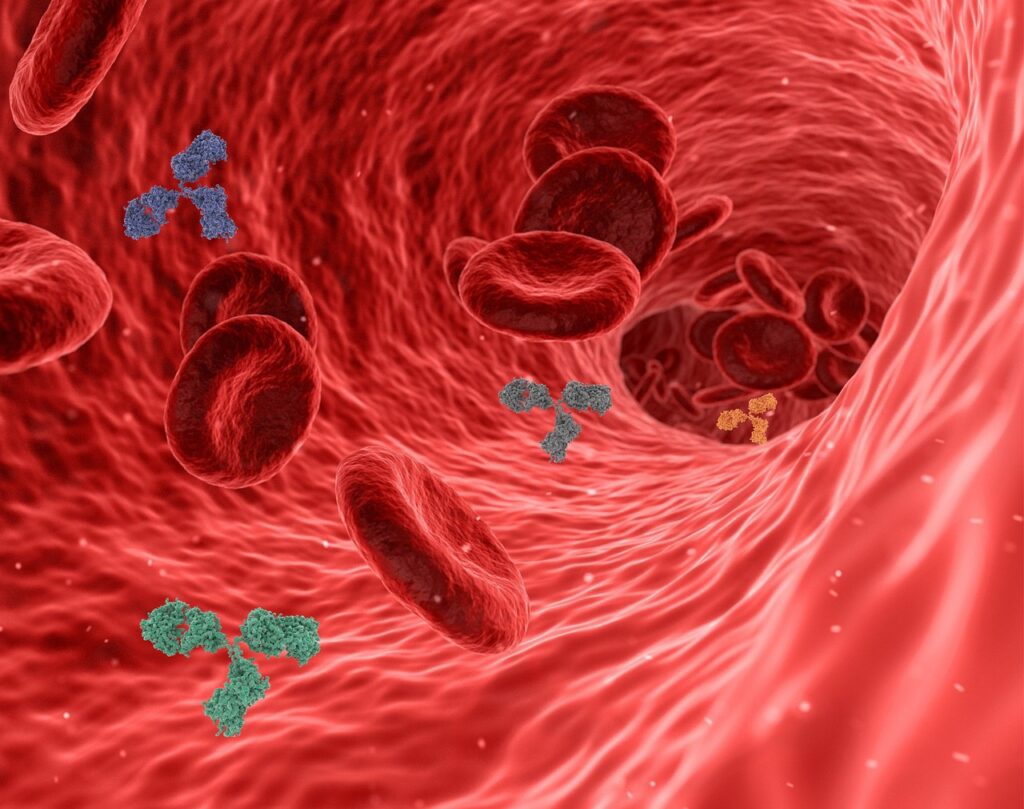
As an attempt to heal the body, it is the body’s defense mechanism. When something damages cells, the human body releases chemicals. These chemicals trigger an immune system response, which releases antibodies and proteins. As a result, the blood flow increases to the damaged area.
There are two types of inflammation: acute and chronic.
Acute
Acute causes of symptoms, such as pain, redness, or swelling, usually last for a few hours or days; for example, in the case of pneumonia.
Acute causes may be tissue damage due to trauma, microbial invasion, or noxious compounds. For example, symptoms may last for a few days in cellulitis or acute pneumonia.
Chronic
Chronic inflammation happens when the response lingers. The response lasts several months or years. Chronic causes of symptoms are fatigue, fever, mouth sores, and abdominal or chest pain. Insomnia, weight gain, or loss are also among the symptoms. Chronic causes may include untreated acute infections or injuries. An autoimmune disorder happens whenever the immune system mistakenly attacks healthy tissue. Another cause is long-term exposure to irritants. In the case of irritants, they can be industrial chemicals or polluted air.
Inducers
Inducers are exogenous and endogenous.
Exogenous inducers
Exogenous inducers are microbial and non-microbial. Non-microbial inducers are allergens, toxic compounds, and irritants. Similarly, foreign bodies too large to be digested are also non-microbial.
Endogenous inducers
Exogenous inducers are microbial and non-microbial. Non-microbial inducers are allergens, toxic compounds, and irritants. Similarly, foreign bodies too large to be digested are also non-microbial.
Endogenous inducers are divided into infectious factors and non-infectious factors. Infectious factors are bacteria, viruses, and other microorganisms.
Risk Factors for Inflammation

For chronic inflammation, age, obesity, and diet are risk factors, risk factors that are related to stress, smoking, and low sex hormones, too. All these factors promote an inflammatory response.
Age and obesity
Increasing age is linked with elevated levels of inflammatory molecules due to mitochondrial dysfunction or free radical accumulation over time. Another cause is the increase in visceral body fat. Studies show that fat tissue is an endocrine organ that secretes multiple adipokines and inflammatory mediators. Body mass index is proportional to the amount of pro-inflammatory cytokines secreted.
Diet and stress
A diet rich in saturated fat, trans fat, or refined sugar is associated with pro-inflammatory molecules. It affects both those with diabetes and those who are heavier. Physical and emotional stress leads to an inflammatory cytokine release. And stress can cause sleep disorders.
Smoking and low sex hormones
Cigarette smoking induces inflammation. Smoking lowers the production of anti-inflammatory molecules; testosterone and estrogen can suppress the production of pro-inflammatory markers. It is better to maintain their levels, though.
Conclusion: Is Actual Inflammation Startling?
To conclude, inflammation is the body’s fight against infections, injuries, and toxins. The most common causes are untreated acute inflammation, autoimmune disorder, or irritants. Risk factors for chronic inflammation are age, obesity, diet, stress, smoking, and low sex hormones. All promote an inflammatory response. Fortunately, there are measures to remove inflammation triggers.
You can read more about inflammation, its causes, and symptoms.
Is this article helpful? Please leave your comment below.
Live healthier and read more.


You May Also Like

7 practical steps to improve eating habits

Vitamin D Is Essential for Health
