What I eat in April- spring healthy meals
Nutrition

What to eat in April

“What do I eat in April is one of the most frequent questions I ask myself during this period, when the body starts asking for lighter and fresher foods.” If I had to choose a month when my diet would change almost completely, it would be April.

After months of meals that are usually heavier and more consistent, the body begins to ask for something else: lighter, greener, fresher dishes. Exactly during this period, I feel the need to simplify my plate and choose foods that give me energy, not just the feeling of satiety.

For me, what I eat in April is not just a list of seasonal foods but a simple strategy to support my digestion, energy, and well-being.

In this article, I show you exactly:

  • What I choose to eat in April
  • What I reduce or avoid
  • How to combine foods
  • and some real, easy-to-implement healthy meal ideas.

Why am I changing my diet in April?

April not only brings a change in nature but also a change in the body. After winter, I always notice some clear signs: I feel slower in the morning, have less energy, and tend to choose heavy foods more out of habit than out of real need.

And then the natural question arises: do I still need the same foods as in January? For me, the answer is simple: no.

That’s why I adapt my diet according to the season. And what I eat in April is based on a very clear principle: I choose lighter but more nutritious meals. It’s not about dieting or extreme restrictions. It’s about smarter choices, better suited to the needs of the body during this period.

What I eat in April—the complete list of foods

This is where the practical part begins: the foods I rely on the most this month.

Seasonal greens – the basis of nutrition in April

April Seasonal Foods

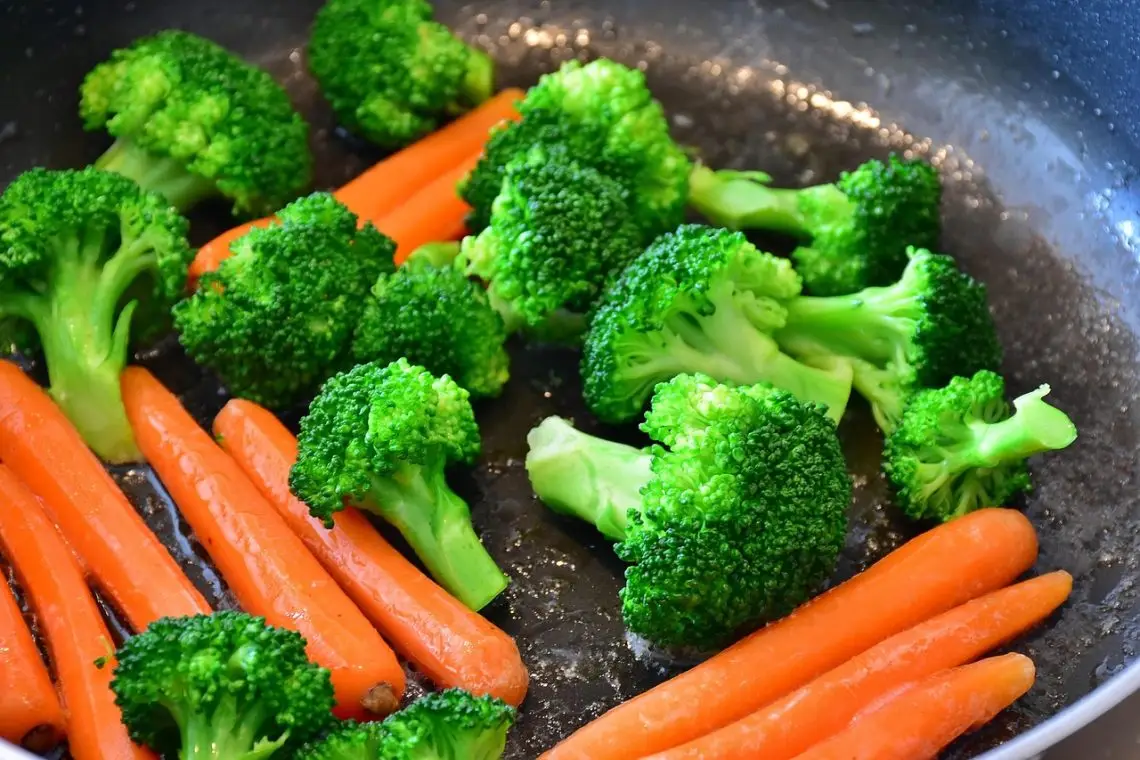
If I had to choose just one “secret” for April, it would be to eat greens consistently. During this period, I include almost daily in the menu:

  • spinach
  • nettles
  • lourda
  • green salad
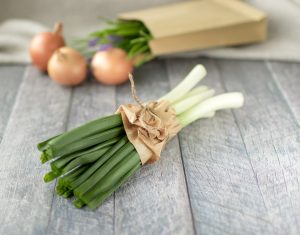
  • green onion
  • green garlic

I don’t just choose them because they are considered healthy, but also because of how they make me feel. When I consume them consistently for several days in a row, I quickly notice easier digestion, better energy levels, and fewer cravings for ultra-processed foods.

If you want to simplify the whole article into one idea, it would be this: start with the greens.

Fresh vegetables and easy to integrate

In addition to greens, I also add simple but very useful vegetables to my meals:

  • radishes
  • carrots
  • beet
  • new cabbage

I use them in salads, side dishes, or quick combinations. I’m not trying to complicate meals or completely reinvent what I eat. I prefer to keep things simple and make meals cleaner, fresher, and more balanced.

Clean protein – essential for satiety

This is where I see one of the most common mistakes: many people cut back on heavy food but forget to keep enough protein in their diet. The result is simple: faster hunger, frequent snacking, and sweet cravings.

In my routine, what I eat in April consistently includes good sources of protein, such as:

  • eggs
  • fish
  • lean meat
  • lentils
  • chickpeas
  • beans

I try to have protein at almost every meal. The difference is felt immediately: more energy stability, fewer cravings, and a better feeling of satiety.

Good carbs, chosen more carefully

April Seasonal Foods

In April, I usually consume:

  • potatoes, but not fried
  • rice
  • quinoa
  • wholemeal bread

The secret isn’t cutting out carbs; it’s balance. In combination with protein, vegetables, and good fats, they can very well be part of a healthy diet.

Healthy fats for taste and satiety

Even when meals are lighter, healthy fats are still important. They provide taste, satiety, and balance.

During this period, I mainly use the following:

  • avocado
  • NUTS
  • seeds
  • olive oil

In the right amounts, they are exactly that element that completes the meal and makes it more satisfying.

What I DON’T eat in April and why

Just as important as what I eat in April is what I choose to cut back on. During this period, I cut or limited quite a lot:

  • fried
  • very heavy foods
  • sweets consumed daily
  • ultra-processed products

Not because “I’m not allowed,” but because, frankly, I don’t feel the same need for them anymore. When I start eating simpler and cleaner, the body automatically demands less food chaos. And I think that’s an important change: I no longer operate from restriction but from conscious choice.

Healthy meal ideas for April

To make everything easier to apply, I leave you some simple table ideas below.

Breakfast – quick and nutritious

healthy breakfast April

In the morning, I usually choose simple options that will fill me up and give me energy:

  • omelette with greens and salad on the side
  • yogurt with seeds and fruit
  • wholemeal toast with avocado and egg
  • simple green smoothie, along with a source of protein

I like to keep breakfast practical and easy to prepare.

Lunch – light but filling

For lunch I go for combinations that have vegetables, protein, and sometimes a source of good carbohydrates:

  • large salad with chicken, tuna, or egg
  • rice with vegetables and lean meat
  • cream soup with crispy topping and seeds
  • lentils with vegetables and greens

Dinner – light, without the heavy feeling

In the evening, I choose lighter meals, which do not leave me with discomfort:

  • protein salad
  • baked vegetables with fish
  • light vegetable soup
  • simple omelette with greens

Smart snacks

Between meals, when I need something quick, I choose simple snacks:

  • NUTS
  • fruits
  • yogurt
  • raw legume

My goal is not to snack continuously but to choose something that actually helps me get well to the next meal.

How I organize my meals in April

spring healthy meals in April

This is where I think the difference between “I know what I should eat” and “I actually manage to eat healthy” comes into play.

What I do concretely:

  • I plan 2–3 simple meals for several days.
  • I buy basic foods, not a lot of ingredients.
  • I cook very simply, without pressure and without perfectionism.

For me, simplicity works better than perfection. The more realistic the plan, the easier it is for me to follow it.

Mistakes I was making and that you might be making too.

I also went through some very common mistakes:

  • I was eating “healthy,” but in too large quantities.
  • We had too little protein in the main meals.
  • I was snacking often without being really hungry.

The result was frustrating: although I was theoretically eating well, I wasn’t feeling well. This is precisely why I understood that healthy eating is not only about choosing good foods but also about structure, balance, and simplicity.

Conclusion: What I eat in April and what you can adapt for yourself.

If I were to summarize everything very simply, what I eat in April means the following:

You don’t have to copy everything I do. The important thing is to start somewhere and notice what suits you.

If I had to pick just one step to start with, it would be this: add more greens every day and see how you feel. Sometimes the smallest changes make the biggest differences.

What do you eat in April? Let me know in the comments—I’m really curious what foods and meals work for you during this time.

If you want to eat more simply and more balanced in the spring season, save the article or send it to a friend who needs practical ideas.

FAQ

What foods are eaten in April?

In the month of April, seasonal greens such as spinach, nettles, horseradish, lettuce, onion and green garlic are consumed, but also fresh vegetables such as radishes, carrots, beets and new cabbage.

What should I avoid in my diet in April?

It is recommended to reduce fried foods, heavy meals, daily sweets and ultra-processed products to support digestion and energy levels.

What does a healthy menu look like in April? A balanced menu in April includes greens, fresh vegetables, a source of protein (eggs, fish, lean meat or legumes), good carbohydrates and healthy fats.

What can I eat for breakfast in April?

You can choose simple and nutritious options such as omelette with greens, yogurt with seeds and fruit, wholemeal toast with avocado and egg or a green smoothie combined with protein.

Why is seasonal nutrition important?

Seasonal food helps the body to adapt more easily to temperature changes, supports digestion, energy and provides the nutrients you naturally need in each period.

Eat healthier.

Don’t miss it!

We don’t spam! Read our privacy policy for more info.

Leave a Reply