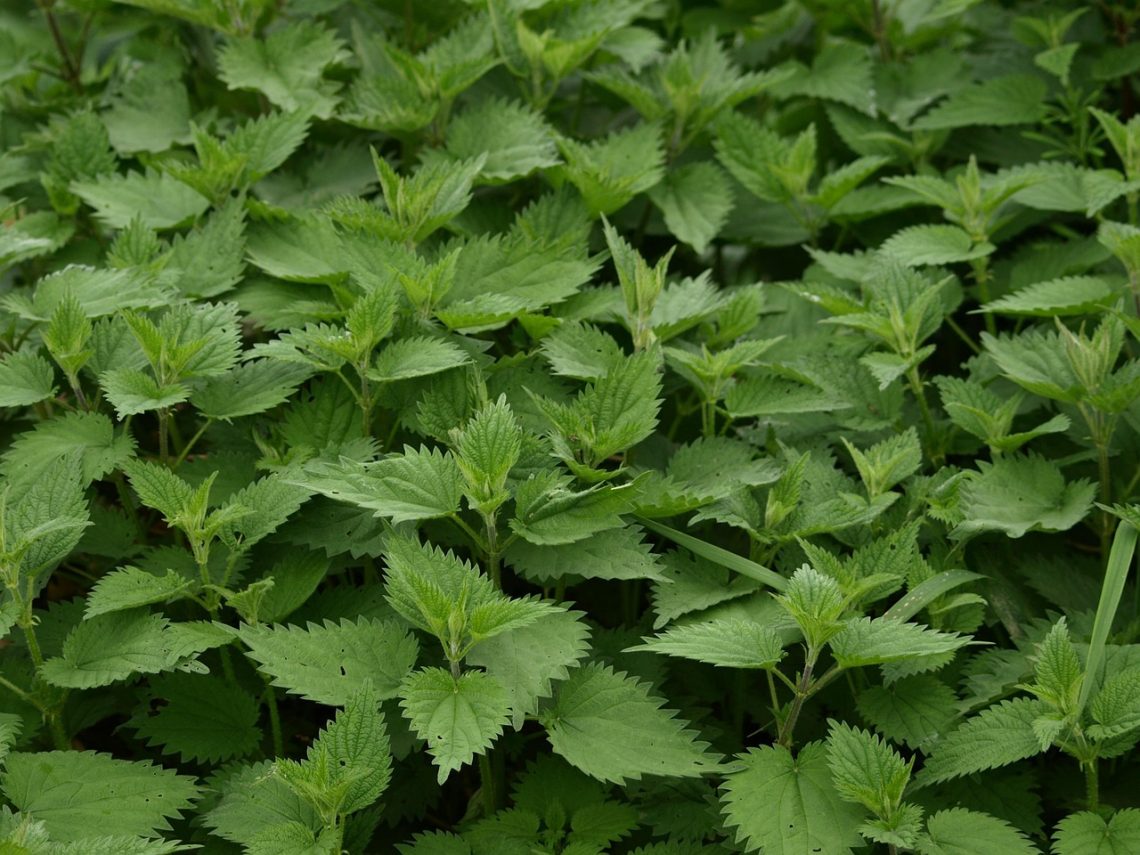
10 Spring Greens and Their Health Benefits
Spring is the perfect time to refresh and introduce fresh, nutrient-rich foods into our diet. After the winter months, when meals are often heavier and less varied, the body needs vitamins, minerals, and antioxidants to support energy, immunity, and natural detoxification processes.
Spring greens are among the most valuable foods we can eat during this period. They are rich in fiber, vitamins, and bioactive compounds that contribute to overall health.
In this article, you will discover 10 spring greens that are extremely beneficial for health, their nutritional properties, and simple ways to integrate them into your daily diet.
Why spring greens are so important for the body
Seasonal greens are considered true natural superfoods because they contain high nutritional density and few calories. They provide our bodies with many essential nutrients without burdening our digestion.
Important nutrients in greens include:
- Vitamin A is essential for eye and skin health
- vitamin C, which supports the immune system
- Vitamin K is important for bone health
- folic acid, necessary for cell regeneration
- iron, which helps prevent anemia
- Magnesium is involved in hundreds of metabolic processes
- fibers, which support digestion
In addition, greens contain chlorophyll and antioxidants, compounds that help the body fight oxidative stress and inflammation.
Another major advantage is that these plants help support the body’s natural detoxification processes, especially in the liver.
Regular consumption of greens can contribute to:
- increased energy levels
- improved digestion
- maintaining a healthy weight
- Supporting the immune system
- reducing inflammation in the body
10 spring greens and their benefits
Nettles – detoxification and energy
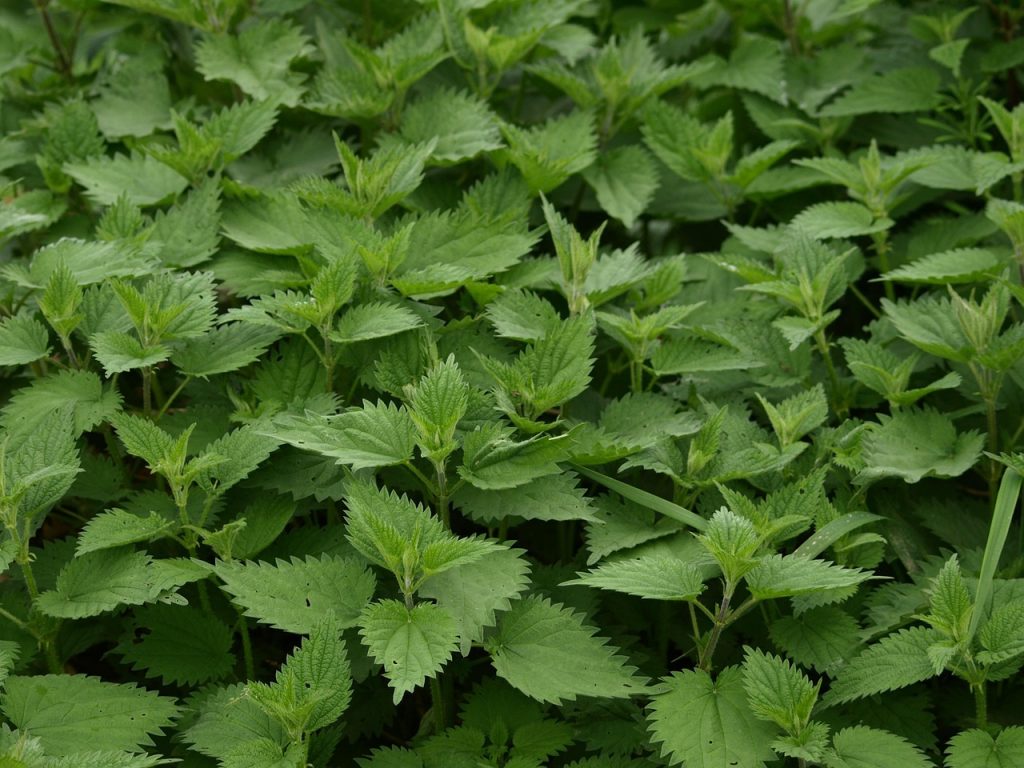
Nettles are some of the most nutritious wild plants that appear in spring. Although they are known for the stinging sensation they can cause to the touch, after preparation, they become a great source of nutrients.
They are rich in:
- iron
- vitamin C
- vitamin K
- magnesium
- Calcium
Nettles are often recommended for people suffering from anemia. The combination of iron and vitamin C helps with mineral absorption.
Health benefits of nettles:
Regular consumption of nettles can contribute to:
- detoxification of the body
- Supporting liver health
- reduction of inflammation
- Improving blood circulation
- Supporting hair health
Nettles can be eaten as soup, puree, stew, or green smoothies.
Spinach – an important source of iron and antioxidants
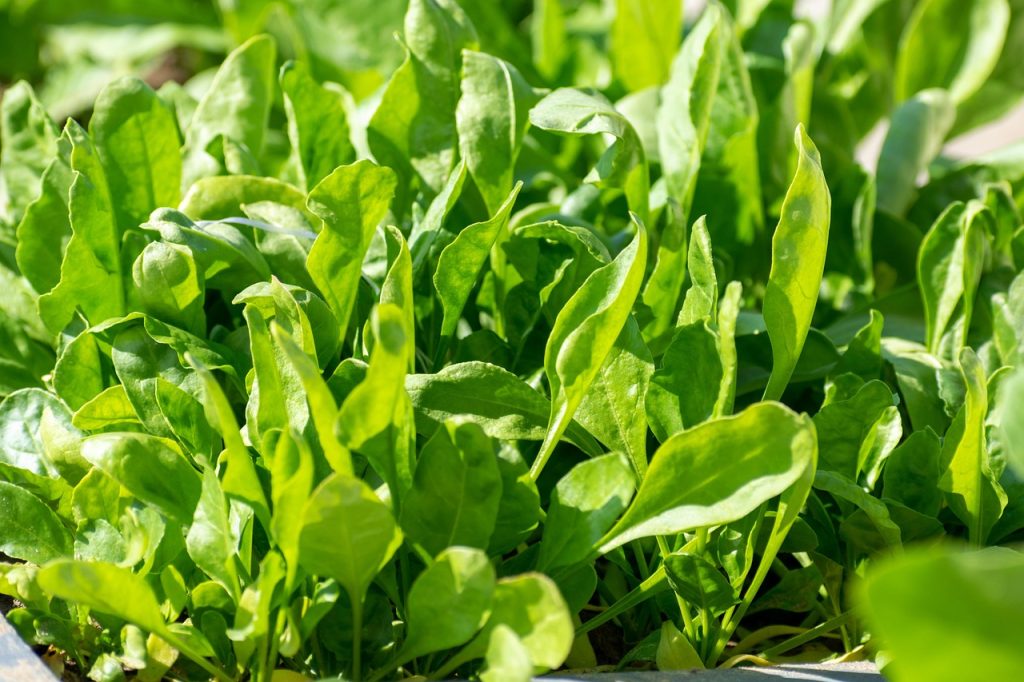
Spinach is one of the most popular spring greens and is prized for its high nutrient content.
This plant is an important source of the following:
- iron
- folic acid
- vitamin K
- vitamin A
- vitamin C
Spinach also contains lutein and zeaxanthin, two antioxidants important for eye health.
Health benefits
Eating spinach can help:
- Maintaining heart health
- Supporting brain function
- Protecting Your Vision
- improved digestion
Spinach can be eaten raw in salads and smoothies or cooked in soups, omelettes, and various dishes.
Garlic – wild garlic with detoxifying effect

Garlic is also known as wild garlic and appears in forests in early spring. It has an intense, garlic-like taste and impressive nutritional properties.
Garlic contains:
- vitamin C
- vitamin A
- sulphur compounds
- Antioxidants
Health benefits
This plant has numerous beneficial effects on the body:
- contributes to liver detoxification
- helps reduce cholesterol
- supports heart health
- has antibacterial and antiviral effects
Garlic can be eaten in salads, pesto, spreads, or soups.
Stevia – the greens that support digestion
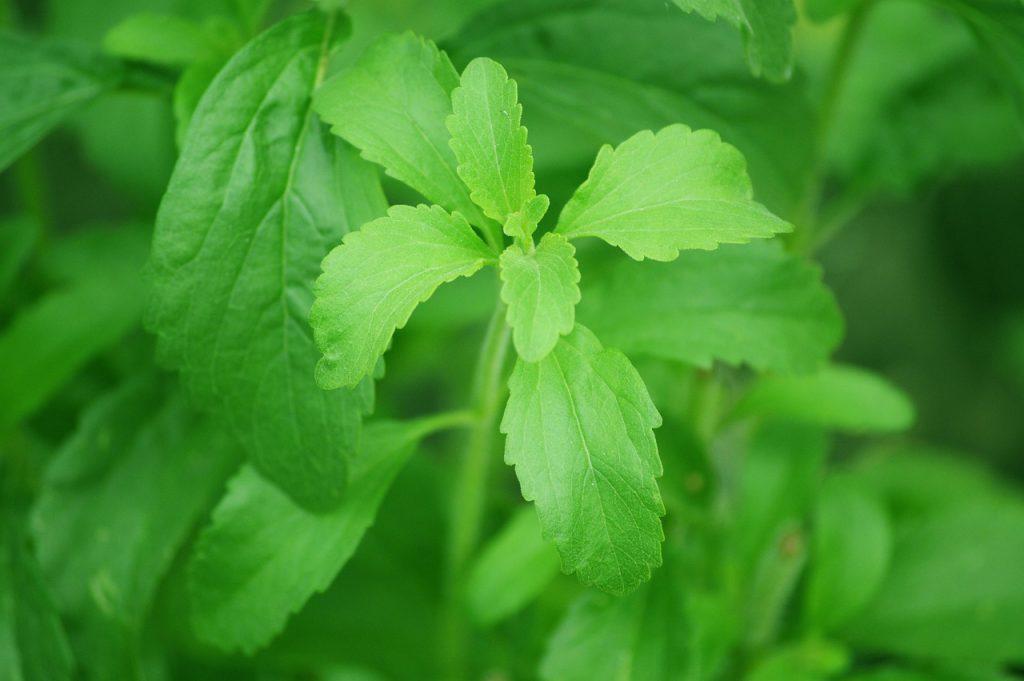
Stevia is a green with a slightly sour taste, very popular in traditional cuisine.
This plant is rich in:
- vitamin C
- vitamin A
- potassium
- fibre
Health benefits
Stevia can contribute to:
- stimulation of digestion
- elimination of toxins
- Supporting the immune system
- reduction of inflammation
It is frequently used in soups, stews, or pies with greens.
Loboda – rich in vitamins and minerals
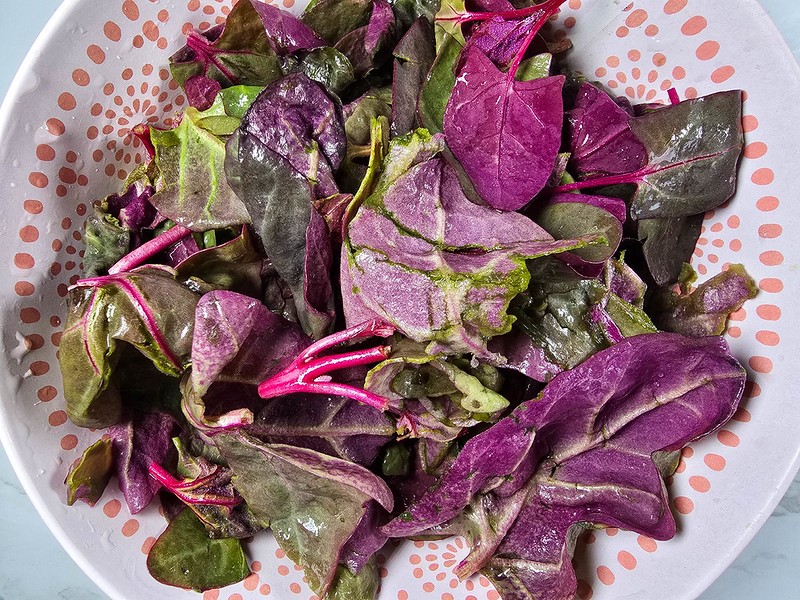
Loboda is a very popular plant in the spring season and can have green or red leaves.
It contains:
vitamin C
- vitamin A
- vitamin C
- iron
- magnesium
Health benefits
The consumption of loboda can contribute to the following:
- strengthening the immune system
- hydration of the body
- supporting digestive health
- remineralization of the body
Loboda is commonly used in spring soups.
Parsley – a real superfood
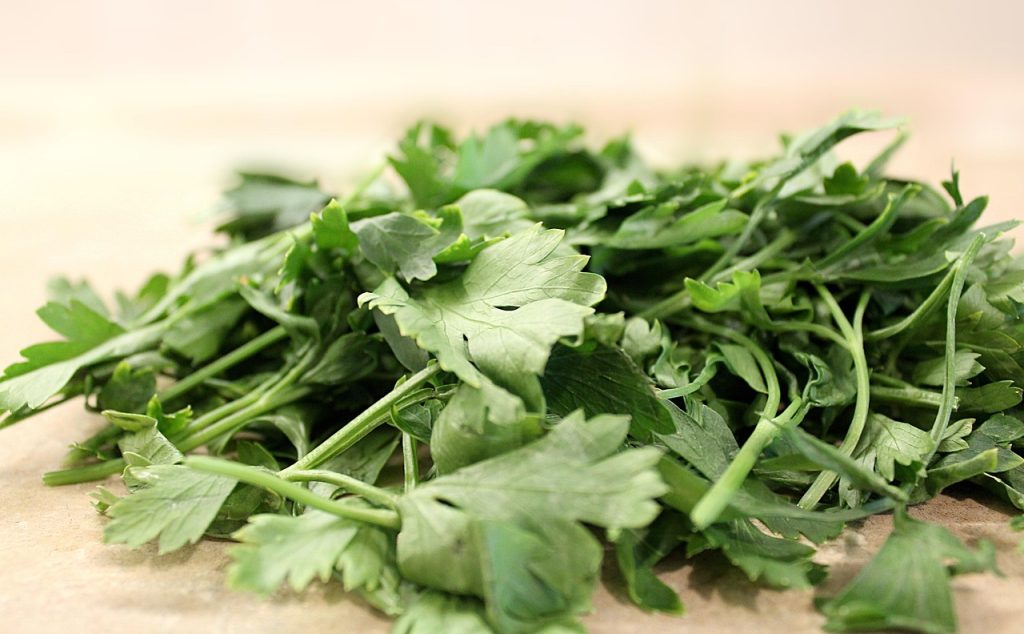
Although it is often only used as a side dish, parsley is actually a highly nutritious food.
It contains large amounts of the following:
- vitamin C
- vitamin K
- iron
- Antioxidants
Health benefits
Parsley can help:
- kidney detoxification
- supporting digestion
- strengthening the immune system
- maintaining bone health
It can be added to salads, soups, smoothies, or sauces.
Dill – an aromatic plant with a digestive effect
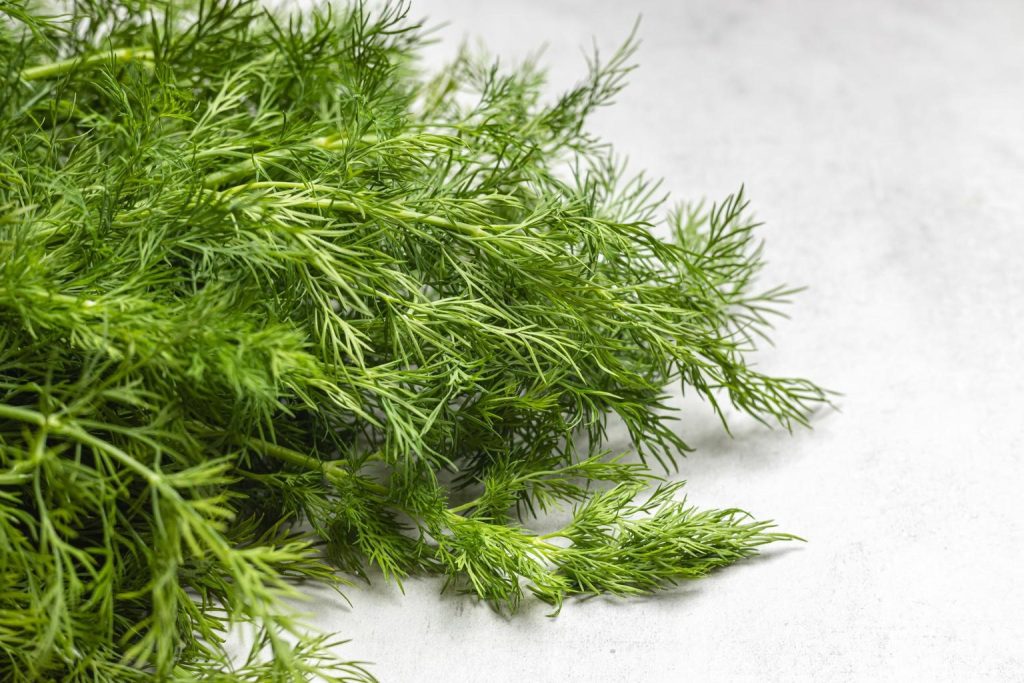
Dill is an aromatic plant with important digestive properties.
Health benefits
- supports digestion
- reduces bloating
- has a calming effect on the nervous system
- contains valuable antioxidants
It fits perfectly in salads, sauces, or vegetable dishes.
Lettuce – hydration and fiber
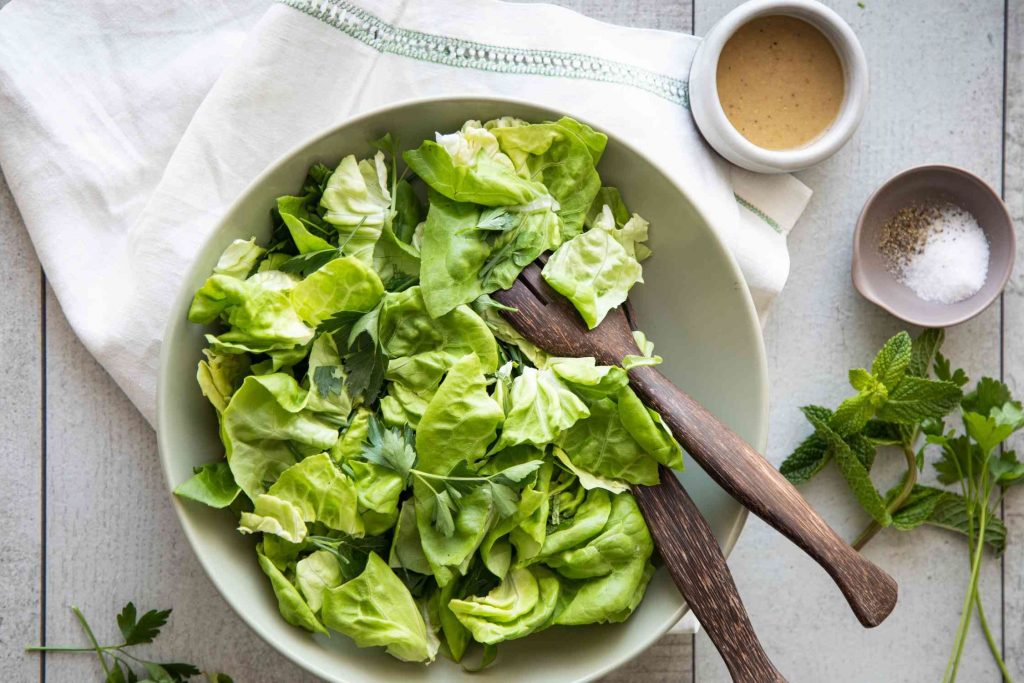
Lettuce is one of the most consumed spring greens and is extremely hydrating.
It contains:
- fibers
- vitamin K
- vitamin A
- Antioxidants
Health benefits
Eating lettuce can help:
- hydration of the body
- Maintaining digestive health
- Weight control
- reduction of inflammation
Lettuce is ideal in simple salads or combinations with fresh vegetables.
Green onions support immunity
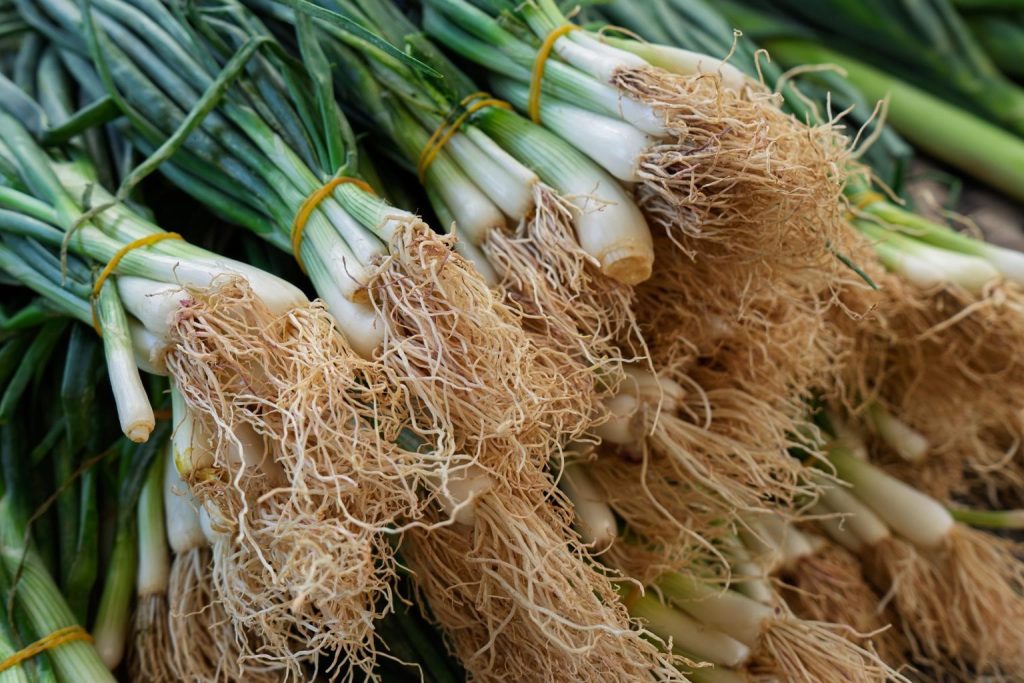
Green onions are a very popular vegetable and are a good source of nutrients in the spring.
It contains:
- fiber
- vitamin C
- sulphur compounds
Health benefits
Green onions can contribute to the following:
- Supporting the immune system
- Protecting heart health
- improved digestion
- reduction of inflammation
It is ideal in salads, omelettes, or various dishes.
Arugula – the greens are rich in antioxidants
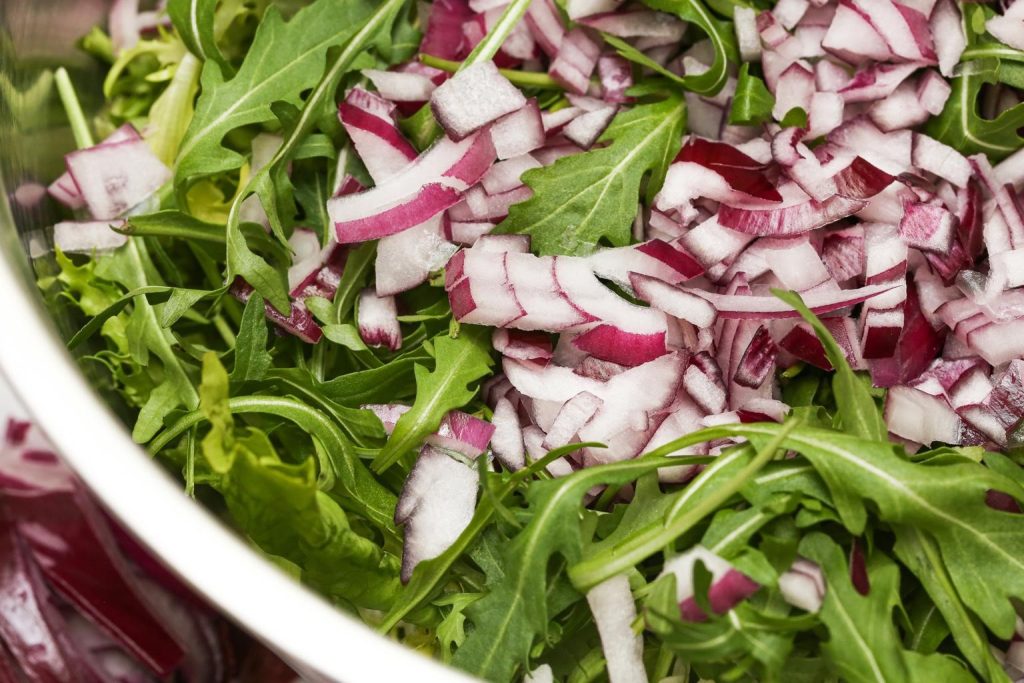
Arugula has a slightly spicy taste and is very popular in modern food.
It contains:
- Antioxidants
- vitamin K
- Calcium
- fiber
Health benefits
Arugula can help with the following:
- maintaining bone health
- support digestion
- detoxification of the body
- protecting cardiovascular health
It is commonly used in salads, sandwiches, or combinations with vegetables and seeds.
How to introduce more spring greens into your daily diet
To benefit from the nutritional properties of greens, it is important to include them in your diet regularly.
Here are some simple ideas:
1. Salads rich in greens
Combine spinach, lettuce, arugula, and green onions with fresh vegetables and seeds.
2. Smoothie versions
Add spinach or parsley to fruit smoothies for extra nutrients.
3. Seasonal soups and broths
Nettles, loboda, and stevia are ideal for spring soups and broths.
4. Omelettes with greens
Eggs combined with green onions, parsley, and dill are a quick and nutritious meal.
5. Sauces and pesto
Garlic or parsley can be turned into a delicious pesto.
Tips for preserving nutrients from greens
To get the most out of the nutritional properties of greens, it is important to prepare them correctly.
Here are some recommendations:
- Eat the greens as fresh as possible
- Wash them thoroughly before consumption
- Avoid overcooking
- Combine them with healthy fats for the absorption of fat-soluble vitamins
For example, adding olive oil or avocado to salads helps absorb vitamins A and K.
Conclusion
You know now what to eat in March for optimal health. Spring greens are among the most valuable health foods. Rich in vitamins, minerals, fiber, and antioxidants, they promote body detoxification, support immunity, and improve digestion.
Introducing them into your daily diet is a simple and natural way to support your overall health. Spring offers an impressive variety of fresh greens, and their regular consumption can turn ordinary meals into real sources of energy and vitality.
Frequently Asked Questions
❓ Which spring greens are the healthiest?
Among the most nutritious spring greens are nettles, spinach, garlic, stevia, loboda, parsley, dill, lettuce, green onions, and arugula. They are rich in vitamins, minerals, fiber, and antioxidants that can support overall health, digestion, and the immune system.
❓ What are the benefits of eating greens in spring?
Spring greens provide the body with an important supply of nutrients after the cold season. Their consumption can help support digestion, improve energy levels, and maintain a balanced diet. In addition, they are low in calories and high in fiber.
❓ Are nettles good for anemia?
Nettles contain iron and vitamin C, nutrients that can support dietary iron intake. However, in diagnosed anemia, medical consultation and an adapted nutritional plan are important. Nutrition is only part of the management of this condition.
❓ What spring greens help digestion?
Spinach, lettuce, dill, arugula, and stevia are greens that contain fiber and plant compounds beneficial for digestion. Consumed regularly, they can help maintain normal intestinal transit and easy digestion.
❓ Do spring greens help detoxify the body?
Greens can support the body’s natural detoxification processes due to their antioxidant, fiber, and phytonutrient content. They do not have a miraculous detoxification effect, but they contribute to a balanced diet and support digestive and liver functions.
More FAQ
❓ How can I eat spring greens more often?
Greens can be integrated easily into the daily diet. You can add them to salads, green smoothies, omelets, soups, pesto, or various side dishes. A simple strategy is to include a portion of greens in at least one of the main meals of the day.
❓ What is the best method of preparing greens?
To preserve as many nutrients as possible, greens can be eaten raw or lightly cooked. Brief scalding or rapid cooking are methods that help preserve temperature-sensitive vitamins such as vitamin C.
❓ Can I eat spring greens if I want to lose weight?
Yes. Greens are foods with low calorie density. They contain fiber that provides satiety. They can be part of a balanced eating plan for weight control and can help create fuller, more nutritious meals.
❓ What greens are suitable for salads?
For salads, you can use young spinach, lettuce, arugula, garlic, parsley, and green onions. They combine very well with fresh vegetables, seeds, nuts, avocado, or light cheeses.
❓ How many times a week should greens be consumed?
Ideally, you should include greens as often as possible in your diet, even daily, depending on your preferences and tolerance. Diversifying the types of greens helps to obtain a wide range of vitamins and minerals.
Live healthier.


You May Also Like

7 Big Emotional Food Connections

11 All-Day Boosting Energy Foods
